
Ancestry
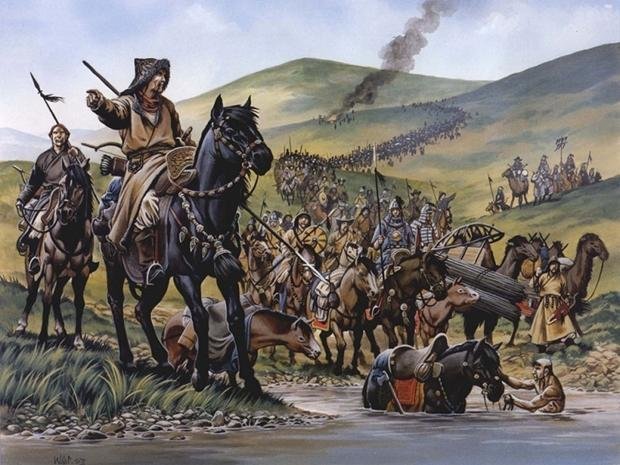
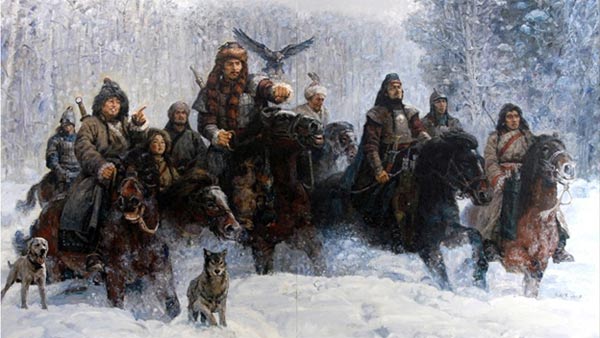
Genetic studies have proved that Hungarians are indeed, the descendants of the Huns.
This is however not un-expected to Hungarians as they have always known about their ancient roots; no matter how much the Western European communities suppressed (including political, social, cultural and scientific) this knowledge. Also Nations such as the Chinese, Mongols, Kazakhs and the Turks, etc; have recognised the fact that Hungarians are the remaining descendants of the Huns.
But who were the Huns? Well, there have been so much scientific research done, but still so much is yet to be discovered about this ancient civilisation.
The Huns were a nomadic group of people who first lived deep in the Asiatic Plains (today Northern China), who had their own distinct ethnic composition, culture, and language.
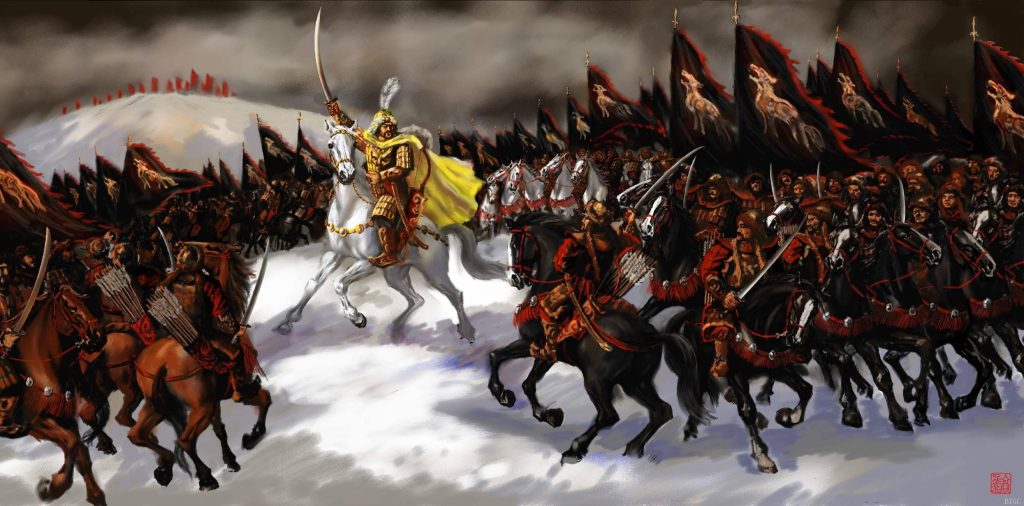
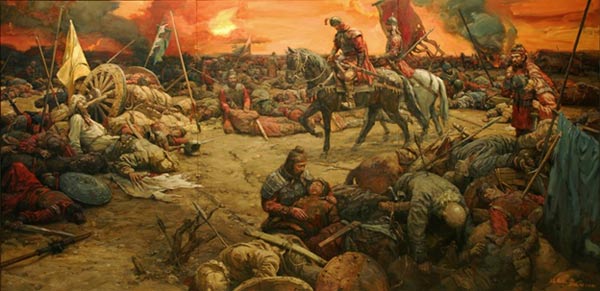
Few people know that the Chinese were so afraid of the Huns, that they built the Great Wall of China, so as to protect the Chinese empire against the Huns’ raids and invasions.
The Huns appeared around 318 B.C. terrorizing China during the Qin Dynasty and during the later Han Dynasty. The Xiongnu Huns successfully invaded and conquered Chinese territories, defeating the Chinese dynastys’ of that time.
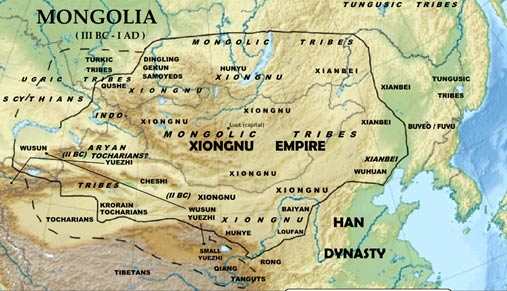
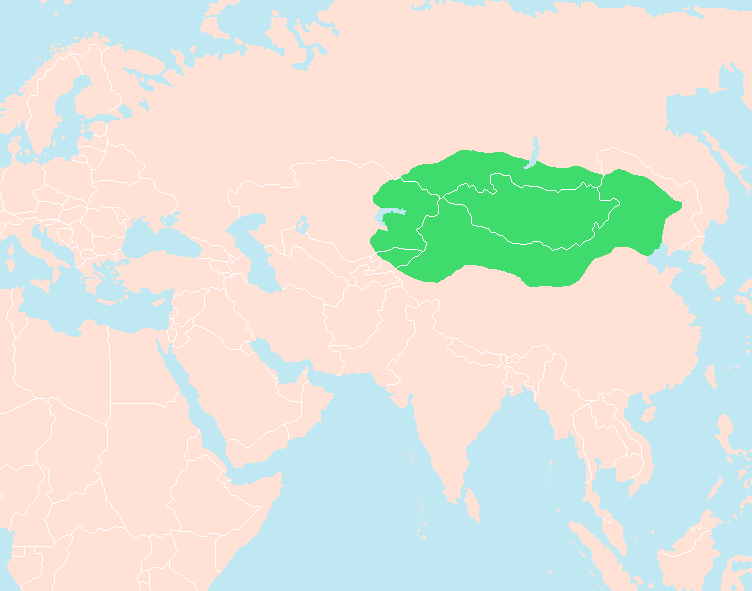
Later as the Huns migrated, they lived in Central Asia, the Caucasus, and Central & Eastern Europe, between the 1st and the 7th century AD.
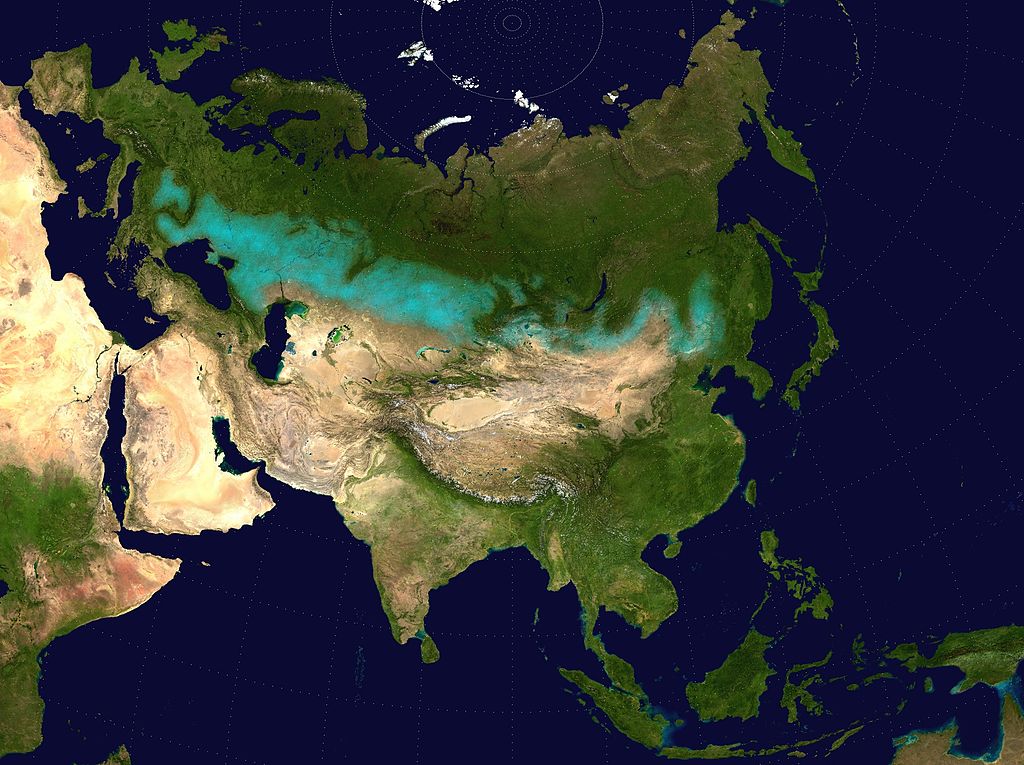

The Huns steady migrated Westwards towards Europe
The northern clans of Huns began to move westward reaching the Volga River by 374 AD. The Huns continued migrating westward, invading the Roman Empire and its capital city, Rome. By the 5th century, the Huns crossed the Danube River and the Rhine River, entering western Europe,
During the 5th century, the Huns became united, and changed from a groups of nomadic warrior tribes to a more settled civilization; living in the Great Hungarian Plain in central Europe. The Huns eventually developed an enormous army made up of cavalry and infantry troops from various backgrounds, establishing the Hunnic Empire led by the legendary – ‘Attila the Hun’, becoming the most feared enemy of the Holy Roman Empire.

In the 5th century, the Huns changed from a group of nomadic warrior tribes to a somewhat settled civilization living in the Great Hungarian Plain in eastern Europe. They had amassed an enormous army made up of cavalry and infantry troops from various backgrounds.

Attila invaded the lands of the Gauls, (modern-day France), northern Italy , parts of the Germany peninsula, the Balkans and Constantinople. By 453 AD ‘Attila the Hun’ had died and the Hun Empire became embroiled in a bloody civil war until what was left was divided up between Attila’s sons. By 459, the Hun Empire collapsed, and according the Hungarian legend and folklore the descendants the Magyars including the Szekely Tribe made their journey back to the homelands between the mighty Carpathian Mountains and the Great Hungarian plains; and so began the journey…. to the present day region of Hungary, Transylvania, and surrounding regions.