
History of Hungarians in South Africa
Historical information indicates that Hungarians were already at the Cape during the time of the early Dutch East India Company (DEIC) during the 17th / 18th Century. In fact, the French Huguenots who arrived in the Cape after 1688, discovered some Hungarians amongst those early European settlers in the Cape. These Hungarians would have been contracted in by the DEIC to work for them, to provide products and services for their refreshment station.

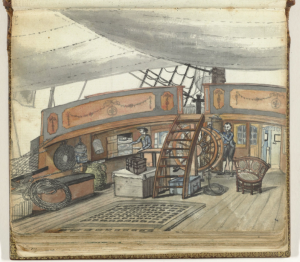
One area that developed during the early Cape colony was the district of Tokai, named after the World famous Hungarian wine-growing region of Tokaj. One legend has it that, the area received its name because of early Hungarian pioneer wine farmers hired by the DEIC, to help tame and cultivate areas in Cape Town, to produce wines to supply to the refreshment station and the passing trade ships en-route to Europe or the far East. The other legend is that this region in Cape Town got its name, because of its resemblance to the hills of Tokaj-Hegyalja; which in this case would have required somebody actually having seen the Tokaj wine region in the 17th / 18th Century! During the early 19th century Hungarians were also involved in bringing Hungarian bred Horses to the Cape Colony, and later provided horses to the two Boer Republics.
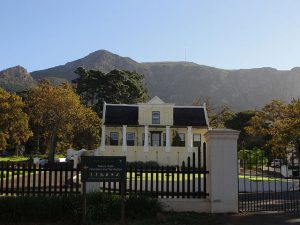
Tokai Manor House – Cape Town
Napoleon Bonaparte the III Emperor of France, loved drinking a ‘Golden desert wine’ from (Tokai region) Cape Town, and the ‘Furmint’ desert wines from Tokaj – Hungary!
The Dutch Batavian Republic in charge of the Cape again after 1803, strengthened and reorganised their defences, which included hiring Hungarian and other Continental European Mercenaries, whom they brought in from Europe.
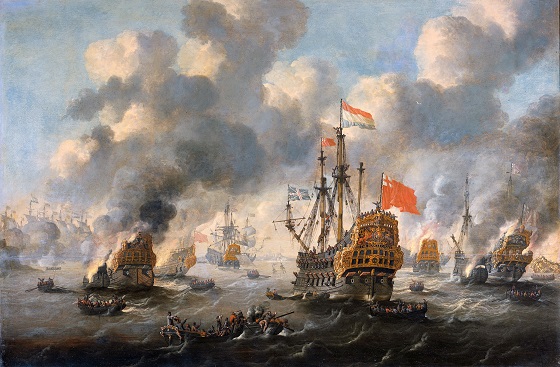
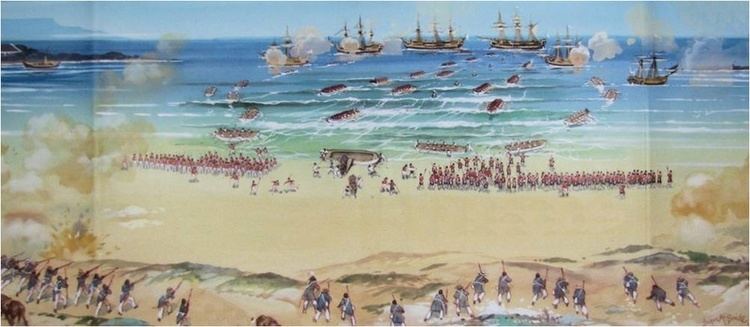
These Hungarian soldiers took part in the Battle of Blaauwberg, fought near Cape Town (opposite side of Table Bay) in 1806; which turned out to be a small but significant military engagement, by the Dutch – Cape colony against the British.
Hungarians in the Boer Republics
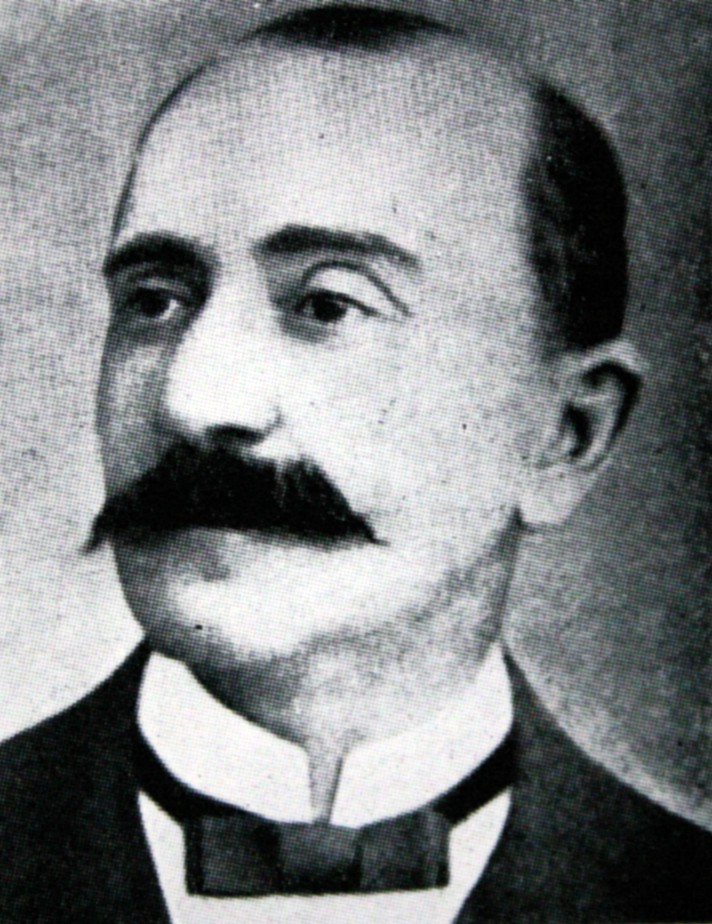
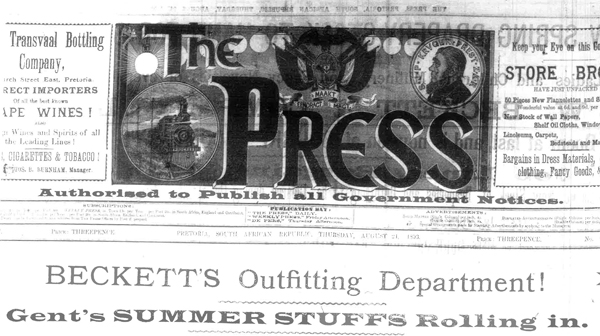
Hungarians although relatively few in number were well established in particularly the Transvaal Boer Republic under President Paul Kruger. One of the most influential role-players was a Hungarian Engineer – Lajos Hugó Nellmápiusz, later changed his name for local purposes to Alois Hugo Nellmapius; who eventually made his way to Pilgrims Rest, where he was the first person to introduce dynamite to the Gold Miners. He joined the local Boer Commando and helped Paul Kruger win some military campaigns. For his bravery and support he earned the admiration and close friendship of Paul Kruger himself. He was a resouceful and successful business man establishing a major transport company, a trade concession Company as well as establishing the first factory in the Transvaal area called ‘Hatherly Distillery’ also known as the ‘Eerste Fabrieken’. The south side of Pretoria called Irene Estate, was named after his daughter and model farm. Its also interesting to note that he established the first Afrikaans newspaper in the region called ‘De Pers’, as well as the English version ‘The Press, today known as ‘Pretoria News’, which is over 120 years old!
The 2nd Anglo – Boer War 1899 – 1902
A fairly large Battalion of Hungarian Troops comprising of Soldiers and Cavalrymen, as well as well trained and experienced artillerymen, traveled to the Boer Republics, to join the other Foreign Troops in the support of the Boers, against the British Empire. These Hungarians were part of a wider contingent of Continental European Nations that supported the Freedom of the Boer republics, in their fight against the British Colonisers.
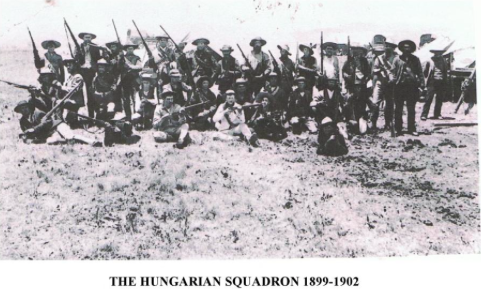
…..mind élünk-halunk ezért a háborúért. (..we all live and die for this war.) – Count Tibor Péchy
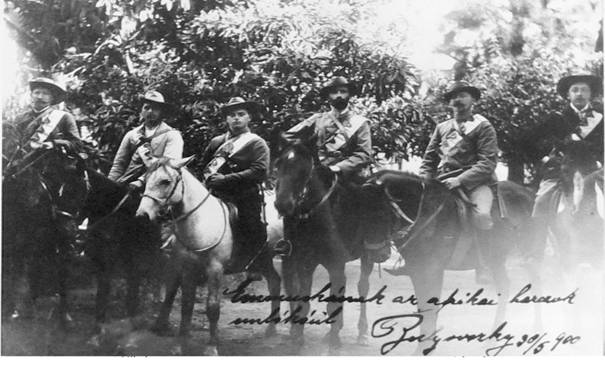

Amongst these military personnel were highly skilled officers, who were graduates of prestigious Hungarian Military academies, such as: Karoly Bulyovszky; Baron Felix Luszanszky; Frigyes Balogh; Jozsef Zlinszky and Lajos Szigethy.
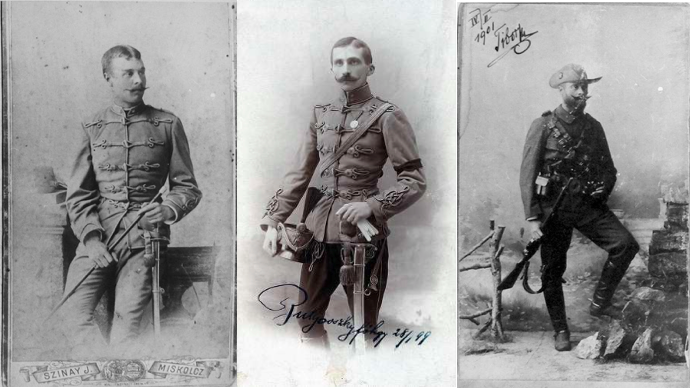
These Hungarians and other Foreign European Continental Troops participated and fought alongside the Boers across many military campaigns and stayed right till the end of the War in 1902. Thereafter most of these men stayed behind and made South Africa their home, marrying Boer and other local European women.
Hungarians in SA in the early 20th Century
Hungarians were recognised as a group in the census of 1926, with most being inhabitants of the Transvaal (Gauteng) region of the country. The numbers of Hungarian emigrants increased over the following years which eventually gave rise in 1933, to the establishment of a Hungarian Association (Hungarian Alliance of South Africa) in Johannesburg. The next wave of people from Hungary was during and after the World War II, with many of these emigres apparently being pretty well off and also internationally well connected, such as Count Elemér Jankovics-Bésàny & his wife.
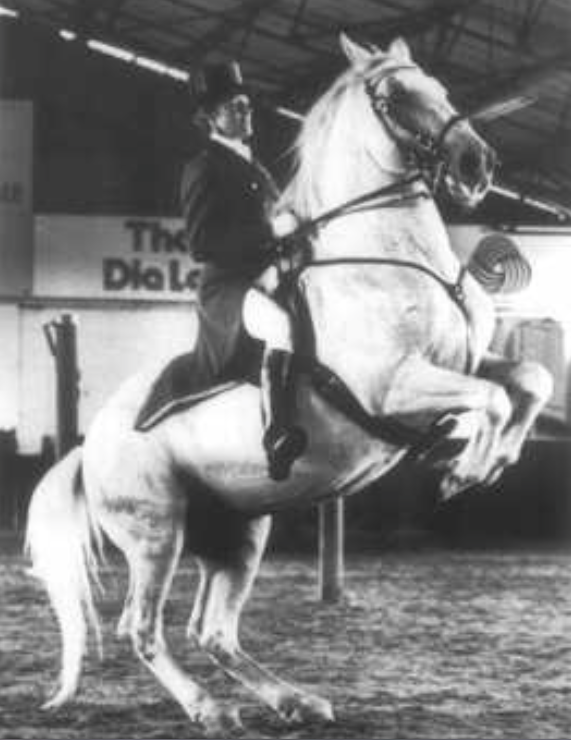

Count Jankovics-Bésàn was responsible for the introduction of their world famous, White Lipizzaner (Lipicai) horses to South Africa. They arrived in SA in 1948 and later together with the Polish horse trainer Major Iwanowski, established South Africa’s Lipizzaner Horse Centre in Mooi River; which later moved to its present day, World Class Equestrian Centre at Kayalami, Midrand, Gauteng.
Hungarian 1956 Revolution Period
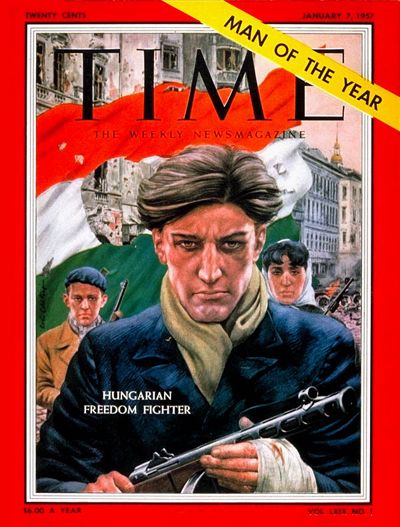
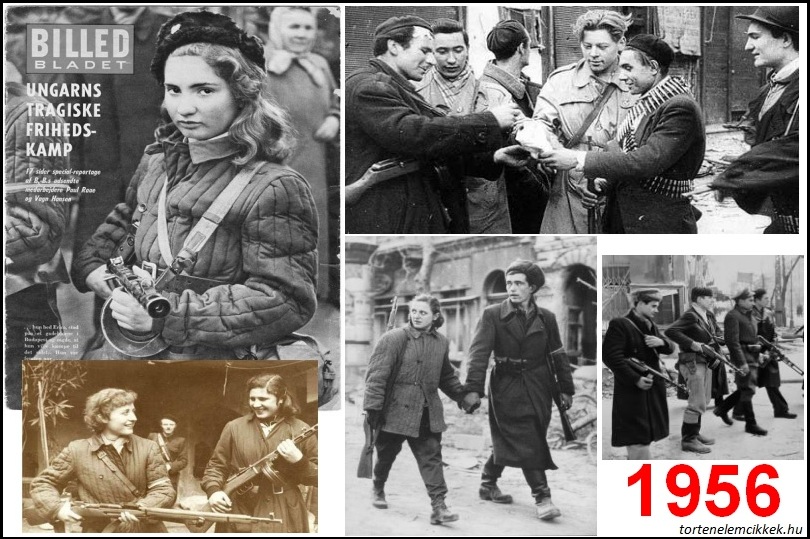
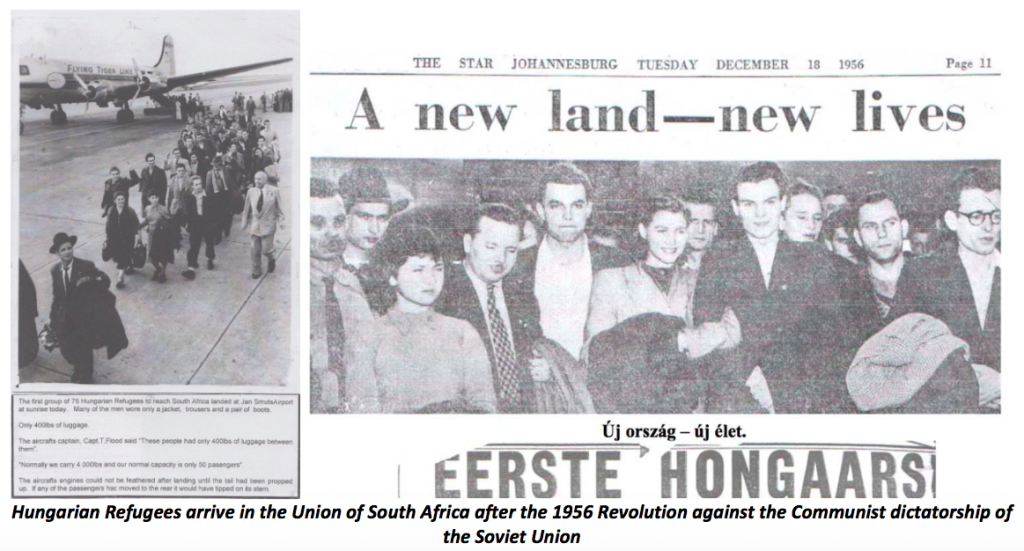
At the end of 1956 the Hungarian uprising took place against the Communist regime, which was imposed by the Soviet Union after the Second World War. Hungary which was left defenceless after the 2nd World War, was faced with taking on more than 200 000 Soviet Troops, on her own after Western Powers promises of support were never honoured. The armed ruthless communist Soviet Forces brutally suppressed the civil revolution by the end of that year and 250 000 Hungarian refugees were forced to flee to other parts of Europe and other parts of the World. About 1500 of them were granted refugee status and between 1956 – 1957 they were flown to South Africa to begin their new lives. Many of the men were incorporated into mining and industrial sectors.
Hungarian Refugees arrive in SA – 1956 / 1957
Arrivals in the 1960’s and 1970’s
Once the ‘Word’ got out to fellow Hungarian Friends and family members, who emigrated to other corners of the World after the 1956′ revolution; many were tempted and encouraged to also make South Africa their home. This was especially the case with SA’s international campaign during the 1960s to entice and attract skilled workers to the country, to help it meet its industrial and technological demands, that was driven by arguably the fastest growing economy in the World!
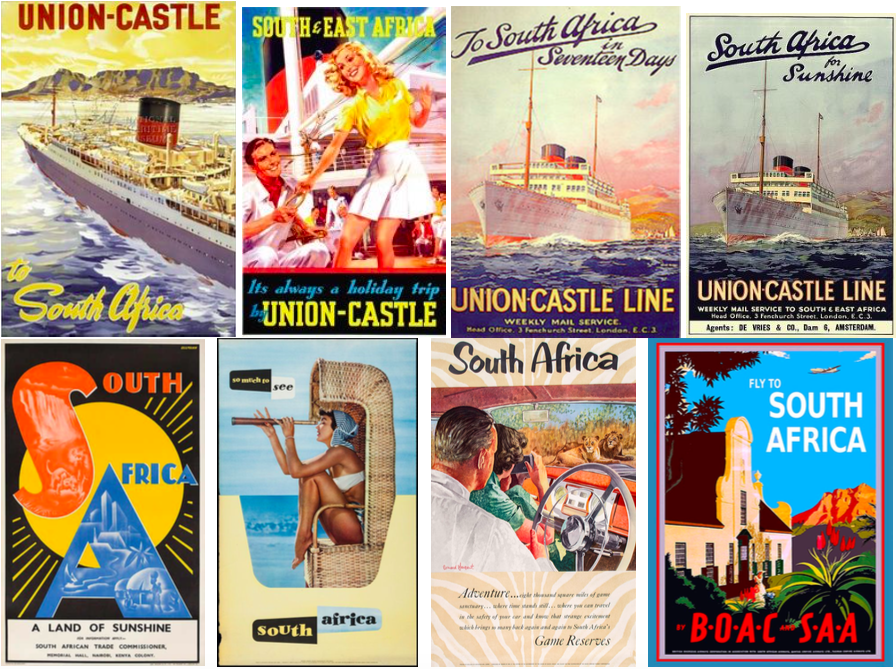
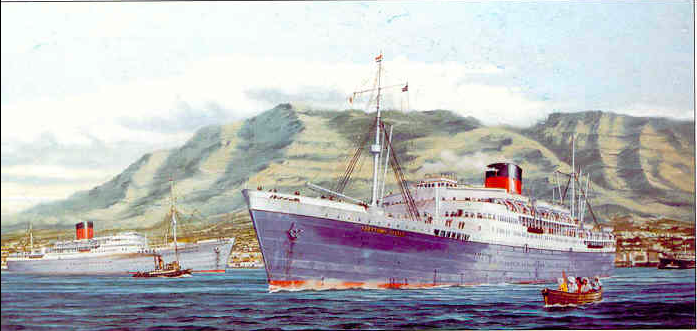
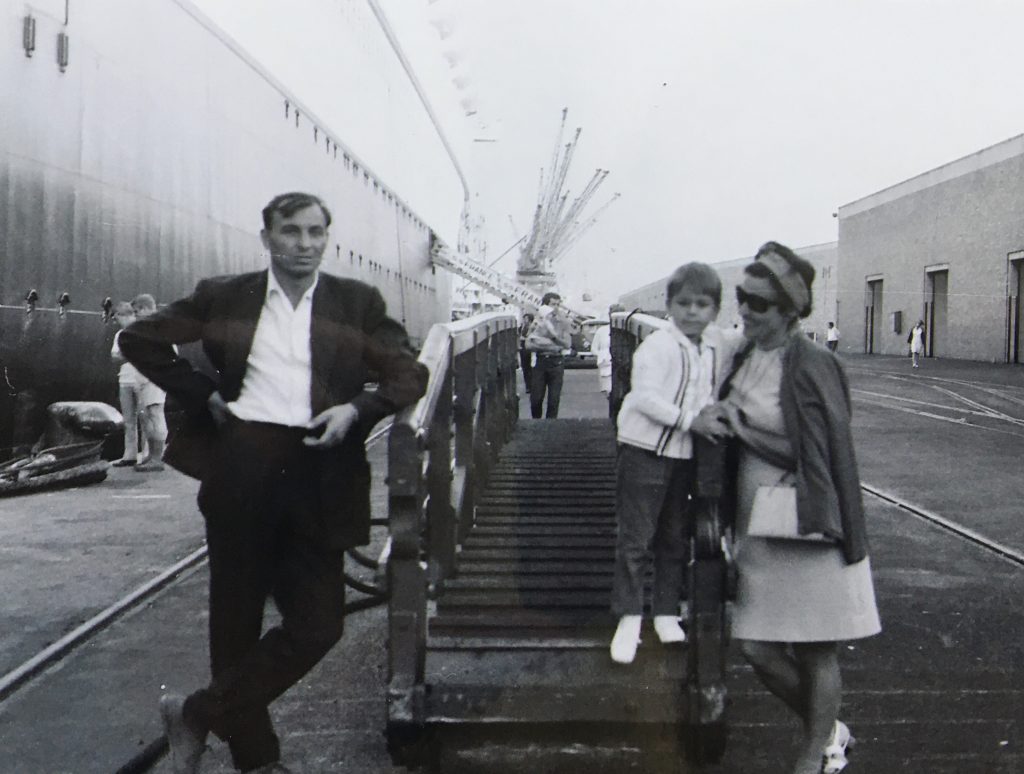
Hungarians joined other Europeans and made there way to South Africa, from places such as the UK (Britain) and traveled mostly via Passenger liners. These people had to undergo screening processes and receive travel permits / visas, before migrating to South Africa. These immigrants comprised of well educated professionals, as well as highly skilled blue collar workers, who in many instances were incentivised to move to ‘Africa’ to help develop the economy of the country. These people initially socialised and mixed amongst their own ‘expat communities’. Later the 1st and 2nd generation children of these immigrants, socialised at schools, churches and tertiary education institutions; and systematically began to integrate into the local South African society.
Visit to SA by World Famous Cold War Anti-Communist Priest
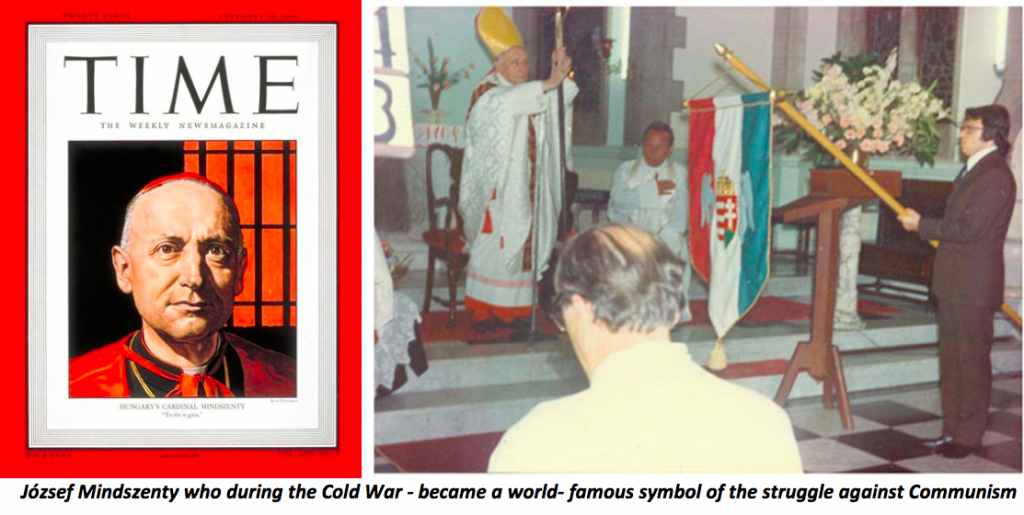
József Mindszenty – was the Prince Cardinal (hercegprímás) Archbishop of Esztergom, and leader of the Catholic Church of Hungary from October 1945 to December 1973. Over 5 decades “he personified uncompromising opposition to fascism and communism in Hungary”. Just before the end of World War II, he was imprisoned by the pro-Nazi Arrow Cross Party. After the war, he vehemently opposed communism and the communist persecution in his country, and as a result, he was tortured for 29 days and given a life sentence in a 1949 show trial that generated worldwide condemnation, including a United Nations resolution. After spending 8 years in prison, he was freed during the 1956 Hungarian Revolution. After the failed anti-communist uprising, the Marxist Soviet backed puppet regime ordered his execution, but he was able to flee to the USA Embassy in Budapest, where he was granted political asylum by the United States. Mindszenty spent the next 15 years inside the confines of the embassy, before (through international pressure), he was finally permitted to leave the country in 1971. During the next few years he visited Hungarian communities in other parts of the World, such as the Hungarians living in South Africa.
Estimated Hungarian Population in SA by the 1980s
It was estimated that by the 1980s, the Hungarian population in South Africa was around 13 000 people. However it is doubtful if this number included those people who had assimilated into the South African European population; such as the descendants of Hungarians who were by this stage 3rd, 4th, 5th, 6th, etc, generations in the country.
Hungarians making their mark in SA Society
The Wine making Industry

Desiderius Pongrácz – Count of Hungarian Aristocracy, WW2 Cavalry officer, and legendary Viticulturist
Desiderius Pongràcz had fled Hungary after the 1956 revolution and made his way to Southern Africa. He had a qualification from the Hungarian Academy for Agriculture and decided to continue his education at the Nietvoorby research institute in 1960s, where he obtained his Masters of Science Degree in Agriculture at the University of Stellenbosch. So Desiderius Pongràcz was actually an ‘Oud Matie‘!
By 1973, he was appointed Chief Viticultural Adviser at Distillers Corporation and over a 20 year period immersed in viticulture at the Cape, he helped develop the South African wine industry. Amongst Pongrácz’s major influences on the South African wine industry, was the introduction and advancement of exceptional grape cultivars such as: Chardonnay, Pinot Noir, and Sauvignon Blanc. In addition to this Desiderius Pongrácz was also an academic, who was highly influential in advancing new viticulture methods and systems. He authored a number of books and produced many scientific publications, including a definitive book, Practical Viticulture, which is still consulted by students today.
Dr. Gyula László – Visionary Hungarian Winemaker from Transylvania
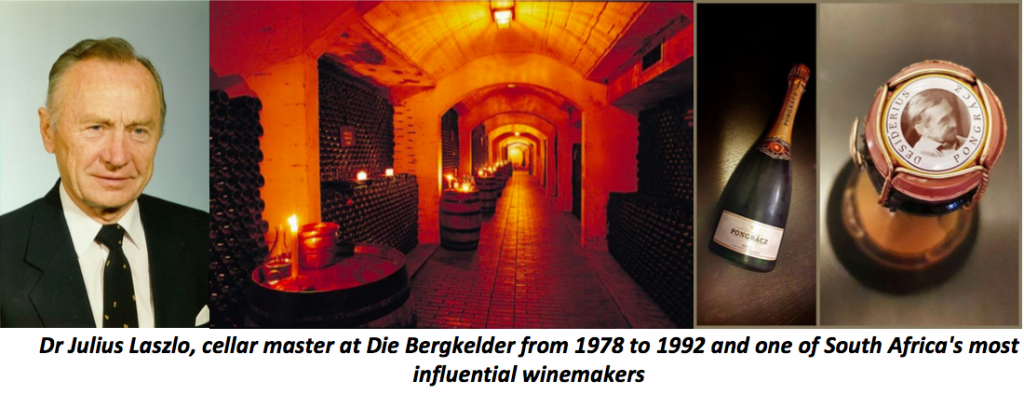
Dr Julius (Gyula) Laszlo, cellar master at Die Bergkelder from 1978 to 1992 and one of South Africa’s most influential winemakers. Dr. Laszlo a highly qualified soil microbiologist, fled dictatorial communist Romania, and arrived in the Cape in 1974. Initially having spent some time at the Stellenbosch Agricultural institution – Nietvoorbij, before being appointed to take charge of ‘Bergkelder’ winery, which was part of the prestigious ‘Distillers Corporation’. His initiatives included a cooperative partnership with other Wine cellars, which encompassed the crucial marketing of the wines, and acquiring the best available technical expertise along with maturation processes and bottling under prime conditions.
Dr. László and his innovative Wine Industry initiatives, have been credited with having played a pivotal role in changing the South African Wine Industry. He was one of the main advocates behind upgrading the quality of Cape vineyards, sourcing new vine material and focusing on the cultivation of noble wine-grape cultivars. He also pioneered the use of small oak barrels for the maturation of red wines, during a period when mostly larger-sized vats were used by the local wine industry.
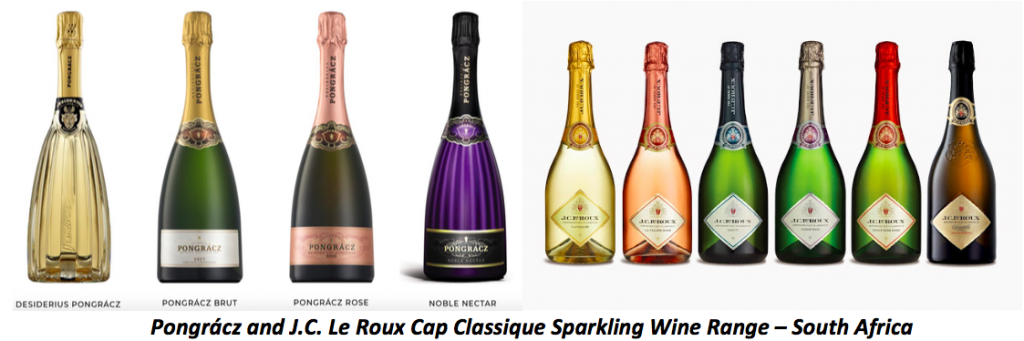
It was through his work at a viticultural and vinicultural level that the foundation was laid for the production of the highly successful sparkling wines, Pongracz and JC le Roux.
József Karger-Kocsis – Amongst the top three global experts in Polymer Technology
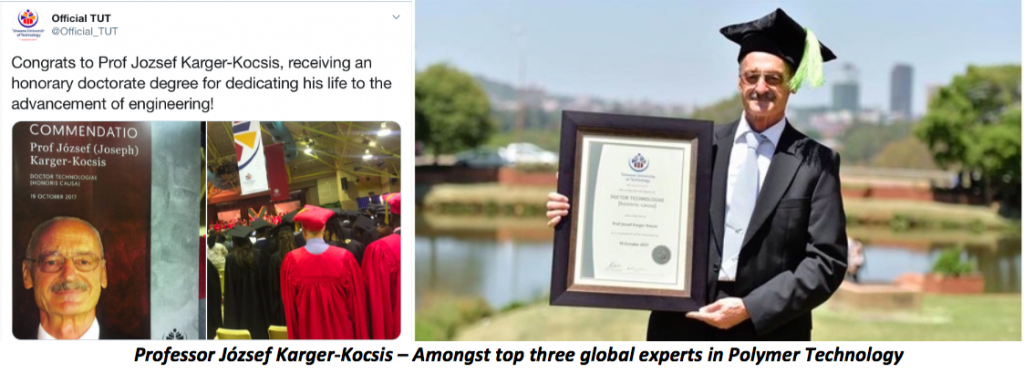
Professor József Karger-Kocsis was born and educated in Hungary, where he graduated as a chemical engineer in 1974. Thereafter he obtained various levels of doctorates in Hungary between 1977 and 1991. During this time he received his Ph.D. (chemical engineering) at the Lomonosow Moscow Institute of Fine Chemicals Technology, Moscow, USSR, in 1983. From 1988 to 2009, he worked in Germany, first at the Hamburg University of Technology, then from 1990 at the Technical University of Kaiserslautern. From 2009, he worked at the Department of Polymer Engineering of the Faculty of Mechanical Engineering at the Budapest University of Technology and Economics (BME), and in the MTA-BME Research Group for Composite Science and Technology. His primary fields of research incorporated testing, improving the properties and the application of natural and artificial polymers and their composites; developing materials testing methods; investigating matrix/reinforcement interphase interactions, recycling plastic and rubber waste; Shape-memory and intelligent ‘ self-healing’ polymers, as well as Hybrid multifunctional materials. He also achieved major success in the development of ”greener” polymers.
Professor József Karger-Kocsis’s contribution to South Africa, was as a highly prized and recognised Research Professor at Tshwane’s (Pretoria) University of Technology (TUT’s) Polymer Programme between from 2009 until 2013; where he received TUT’s highest accolade, a Doctor Technologiae (honoris causa).
Ds Kálmán Papp II die Hongaars-gebore predikant van die Nederduitsch Hervormde Kerk van Suid-Afrika / The Reverend Kálmán Papp II – Serving the Christian Faith in the Dutch Reformed Church
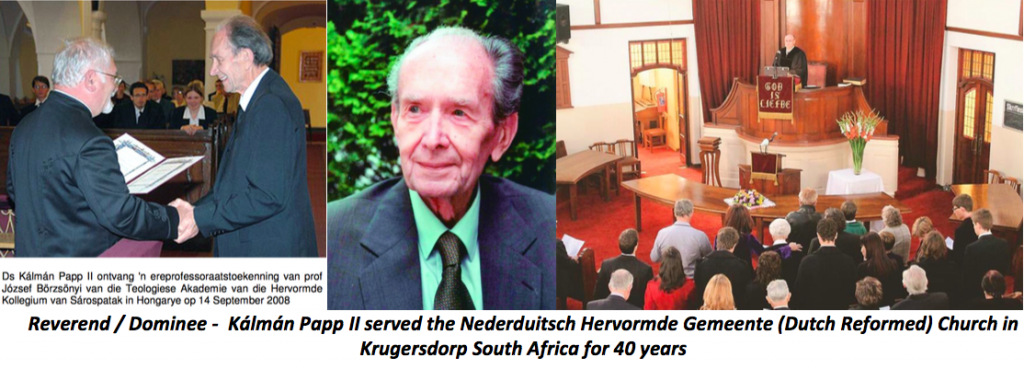
The Reverend Kalman Papp II, is believed to have the only Hungarian immigrant to date, to have become a minister in the Dutch Reformed Churches of South Africa. He arrived in South African by 1950, after his post-graduate Christian Theological studies in Holland. Some of his dedicated initiatives included the formation of a new congregation in Krugersdorp-Noord, his enthusiastic work in the Outjo Church congregation in the former South West Africa, and his prominent role in the ‘Day of the Covenant’ celebrations in Paardekraal. The Reverend Kalman Papp II, who tirelessly dedicated more than 50 years in office as a church minister in South Africa, received official acknowledgement for his service to the community of Krugersdorp; was also decorated with a prestigious Service Medal from the Hungarian Government, and awarded an honorary professorate for his work in South Africa.